


Forbidden Fruit Strain Feminized SeedsTangie's tangerine peel wrapped in Cherry Pie's purple
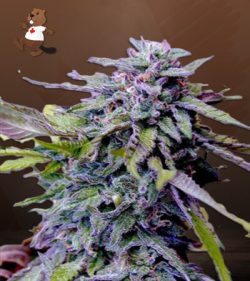
No reviews yet · be the first to review Forbidden FruitThe Forbidden Fruit strain is a Bay Area cross of Tangie and Cherry Pie, selected in 2016 for being the one purple plant among 37 seedlings. Its calling card is flavor: tangerine and berry with a grape-candy edge, carried by a myrcene-led terpene mix. These feminized seeds grow female plants that most seed makers say need 8 to 10 weeks of bloom and often color up dark violet late in flower.
You get 20 seeds (10 + 10 free) Buy one, get one free on every 10- and 25-seed pack, and your free pack can be any strain. 5-seed packs get 1 free seed. Free shipping on seed orders over $200.
- US orders ship from the US, Canadian orders from Canada
- Discreet, unbranded packaging
- 80% germination guarantee
- Guaranteed delivery

Frequently bought together
Choose variants
×| Product | Price |
|---|



What is the Forbidden Fruit strain?
Forbidden Fruit is an indica-dominant hybrid, around 70% indica, made by Chameleon Extracts of Santa Clara, California, by pollinating a Tangie female with Cherry Pie. It flowers in roughly 8 to 10 weeks and finishes outdoors around mid-October. Potency reports are far apart: Leafly lists 15% THC and Cannigma's lab average is 15.3%, while Weedmaps gives 17–26% and AllBud 23–26%. Leafly users rank its effects as relaxed, sleepy and tingly, and its main terpenes are myrcene, caryophyllene and limonene.
70/30 per AllBud. Weedmaps files Forbidden Fruit simply as a hybrid, and the breeder has not published a ratio.
The breeder grew 37 seedlings of the cross and kept the single plant that showed purple, so color is built into the original selection.
Forbidden Fruit strain specs
Forbidden Fruit began as a clone-only cut, so there is no breeder seed sheet. The origin details are from the breeder's interview as reported by Cannigma and Weedmaps; potency and terpene figures are from Leafly, AllBud, Weedmaps and Cannigma's lab averages; grow numbers are what seed makers quote for their feminized versions.
| Type | Indica-dominant hybrid, about 70% indica / 30% sativa |
|---|---|
| Genetics | Tangie (mother) × Cherry Pie (pollen) |
| Bred by | Chameleon Extracts, Santa Clara, California (2016) |
| THC | About 15% on Leafly and Cannigma; 17–26% on Weedmaps; 23–26% on AllBud |
| CBD | Negligible (0.03% lab average on Cannigma) |
| Main terpenes | Myrcene, caryophyllene, limonene, linalool |
| Aroma & flavor | Tangerine, cherry and berry, grape candy, tropical fruit, light pine and musk |
| Reported effects | Relaxed, sleepy, tingly, happy |
| Seed type | Feminized (female plants) |
|---|---|
| Flowering indoors | 8–10 weeks; one seed listing cited by Weedmaps says 9–10 |
| Outdoor harvest | Mid-October (Northern Hemisphere) |
| Height | Medium; no verified figure in centimeters |
| Yield | Medium to high; seed banks commonly quote 400–500 g/m² indoors |
| Difficulty | Moderate, described as low-maintenance |
| Best methods | Topping, LST and SCROG |
| Climate | Indoors, or outdoors where October stays dry; cool nights bring out the purple |
Where does the Forbidden Fruit strain come from?
Forbidden Fruit comes from the San Francisco Bay Area, where a breeder at Chameleon Extracts in Santa Clara dusted a Tangie plant with Cherry Pie pollen in 2016. In an interview with Cannabis Now, relayed by Cannigma, he said he raised 37 plants from that cross and kept the only one that turned purple. Weedmaps adds that the Tangie mother was a Crockett Family Farms cut and that the Cherry Pie pollen came from a grower known as Jigga.
Both parents are well-documented California strains. Tangie is California Orange × Skunk and supplies the tangerine-peel terpenes; Cherry Pie is Granddaddy Purple × Durban Poison and brings the color and the sweet cherry note. Cannigma and Weedmaps both caution that parts of the story are disputed or incomplete, but the Tangie × Cherry Pie parentage itself is consistent across every source checked.
Are Forbidden Fruit seeds the same as the original cut?
No seed is identical to the original Forbidden Fruit, because that plant is a single selected clone. SeedFinder notes the original was never released as feminized seed. Feminized Forbidden Fruit seeds are made by seed companies working from the cut or by repeating the Tangie × Cherry Pie cross, so they give plants in the same style with some natural spread in color, terpene strength and finishing time.
Not every plant turns deep purple. Color depends on the individual plant and on cooler night temperatures late in flower. Green-leaning plants from the same pack can carry the same citrus-berry terpenes.
What does Forbidden Fruit taste like, and how does it feel?
Aroma and flavor
Forbidden Fruit tastes like tangerine and sweet berries with a grape-candy finish, and its breeder says it "tastes like Tangie all the way through." Weedmaps reviewers vote berry, citrus and grape as the top three flavors and describe an aroma of cherry, mango and passionfruit candy over earthy musk and pine. AllBud adds lemon to the list.
- Tangerine
- Berry
- Grape
- Cherry
- Tropical fruit
- Pine
Terpenes
- Myrcene
- Dominant at about 0.5% in Cannigma's lab average; musky, ripe-fruit depth
- Caryophyllene
- Roughly 0.2%; a warm peppery undertone
- Limonene
- The citrus-peel brightness inherited from Tangie
- Linalool
- A soft floral note that rounds off the fruit
Terpene percentages are Cannigma's averages for flower sold as Forbidden Fruit; Leafly lists the same top three in the same order.
Reported effects
People who use Forbidden Fruit mostly describe a relaxing, body-centered effect that leans sleepy, which makes it an evening strain for most. Leafly's top reported effects are relaxed, sleepy and tingly, and Weedmaps reviewers add happy and uplifted. AllBud describes a cheerful head high at the start that settles into a heavier body stone.
- Relaxed
- Sleepy
- Tingly
- Happy
- Uplifted
Forbidden Fruit's commonly reported downsides are dry mouth, dry eyes and some dizziness, and its sleepy lean makes it a poor match for anything that needs focus.
These Forbidden Fruit effects come from user reports collected by Leafly, Weedmaps, AllBud and Cannigma. Experiences vary with dose and person, and nothing here is medical advice.
How do you grow Forbidden Fruit seeds?
Forbidden Fruit seeds grow into medium-sized female plants that need 8 to 10 weeks of flowering: top and train them in veg, feed moderately, lower night temperatures late in bloom if you want purple, and protect the terpenes with a slow dry.
- Germinate3–7 days
Start Forbidden Fruit seeds in plugs or damp paper towel at about 24–26°C (75–79°F) and pot them up once the root tip appears.
- Vegetate4–6 weeks
Top once or twice and open the plant up with LST or a net. Forbidden Fruit is reported to respond well to all three.
- Flower8–10 weeks
After 12/12 begins, buds stack densely and resin comes on strong. From about week six, cooler nights help the Cherry Pie purple show.
- HarvestWeek 9–10 indoors · mid-October outdoors
Harvest Forbidden Fruit when most trichomes are cloudy, then dry slowly in the dark around 15–18°C to hold on to the citrus terpenes.
Grow tips for Forbidden Fruit
- Don't overfeed. The breeder told Cannabis Now the genetics are strong enough that you don't have to push the plant. Moderate nutrient levels are plenty for Forbidden Fruit.
- Chase color with cool nights. The original was chosen for purple. Dropping night temperatures a few degrees in the final weeks encourages that trait in plants that carry it.
- Select for smell if you run several seeds. Seed-grown Forbidden Fruit varies. Rub the stems in late veg and keep cuttings of the plants with the loudest tangerine scent.
- Thin the middle of the plant. Cannigma rates the strain as fairly resistant to mold and mildew, but dense purple flowers still need airflow. Remove inner fan leaves around week three of bloom.
- Dry low and slow. Flavor is the reason to grow Forbidden Fruit. Ten to fourteen days of drying at around 60% humidity keeps far more terpene than a fast dry.
- Check your autumn weather. A mid-October outdoor finish is fine in dry regions but risky in rainy ones. A greenhouse or indoor run is safer in wet climates.
Is Forbidden Fruit the right strain for you?
Great pick if you
- Grow for flavor first and love citrus, berry and grape terpenes
- Want purple flowers for bag appeal or extracts
- Prefer a relaxing strain for the end of the day
- Are happy with an 8 to 10 week bloom and a medium-sized plant
Think twice if you
- Want an energizing daytime strain like its Tangie parent
- Need the highest THC possible; many lab results sit near 15%
- Expect every seed to match the original clone exactly
- Grow outdoors in a region with wet Octobers
Forbidden Fruit strain FAQ
Is Forbidden Fruit indica or sativa?
Forbidden Fruit is an indica-dominant hybrid. AllBud puts it at about 70% indica and 30% sativa, Leafly files it as an indica, and Weedmaps lists it as a hybrid. Its effect profile, with relaxed and sleepy at the top of user reports, matches the indica-leaning label.
What two strains make Forbidden Fruit?
Forbidden Fruit is Tangie crossed with Cherry Pie. Tangie was the mother plant and Cherry Pie supplied the pollen. Tangie itself is California Orange × Skunk, and Cherry Pie is Granddaddy Purple × Durban Poison, so those four strains are Forbidden Fruit's grandparents.
Who created Forbidden Fruit?
Forbidden Fruit is credited to Chameleon Extracts, based in Santa Clara, California. The breeder said he made the cross in 2016, grew out 37 seedlings and kept the only purple one. Sources including Weedmaps and Cannigma note that some details of the origin are not fully documented.
How much THC does Forbidden Fruit have?
Reported THC for Forbidden Fruit ranges from about 15% to 26%. Leafly lists 15% and Cannigma's lab average is 15.3%, while Weedmaps gives 17–26% and AllBud 23–26%. The gap likely reflects different growers and cuts, so expect anything from moderate to strong.
How long does Forbidden Fruit take to flower?
Forbidden Fruit needs about 8 to 10 weeks of flowering indoors once the lights are on a 12/12 cycle. One seed listing cited by Weedmaps narrows that to 9 to 10 weeks. Outdoors in the Northern Hemisphere, harvest usually lands around mid-October.
Does Forbidden Fruit always turn purple?
Not always. The original Forbidden Fruit cut was selected because it was purple, and many seed-grown plants show violet to near-black flowers. Others stay mostly green. Genetics set the potential, and cooler nights in the last weeks of flowering help the color come through.
What does Forbidden Fruit taste like?
Forbidden Fruit tastes of tangerine, sweet berry and grape, with cherry, tropical fruit and a little pine in the aroma. Weedmaps reviewers pick berry, citrus and grape most often. Myrcene, caryophyllene and limonene are its three main terpenes on both Leafly and Cannigma.
Is Forbidden Fruit hard to grow?
Forbidden Fruit is a moderate grow. Cannigma rates it medium difficulty but low-maintenance, with good resistance to pests and mold, and the breeder says it does not need heavy feeding. The parts that take care are canopy training and a careful, slow dry to keep the flavor.
What do feminized Forbidden Fruit seeds give you?
Feminized Forbidden Fruit seeds grow female plants, the ones that flower into buds, so there are no males to find and remove. They are photoperiod plants: they stay in vegetative growth under long days and begin to flower when nights reach about 12 hours.
Forbidden Fruit reviews
No reviews yet
Grown our Forbidden Fruit seeds? Tell other growers how the plants and harvest turned out.
Thanks for your review! It shows here as soon as our team has checked it.
Forbidden Fruit's parents and grandparents
 Tangie Feminized
 Cherry Pie Feminized
 Granddaddy Purple Feminized
 Durban Poison Feminized
Beaver Seeds sells cannabis seeds for collection and genetic preservation where permitted. Check the laws in your state, province or country before germinating seeds. Effects are user-reported and are not medical claims.
Your cart
Your cart is empty. Pick a pack and it lands here.
Reviews
There are no reviews yet.